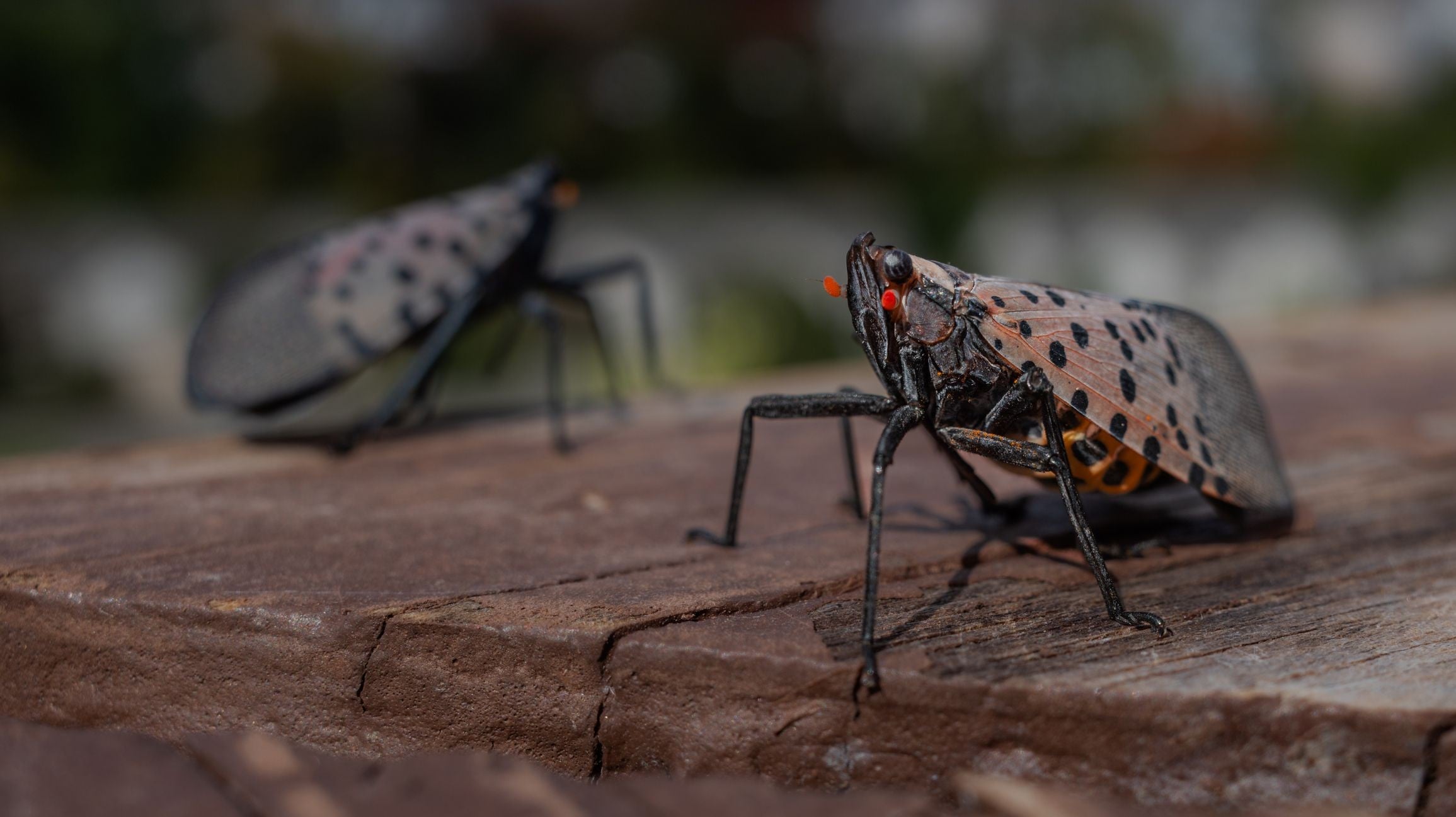
The spotted lanternfly, a rapidly spreading invasive species in the United States, appears to have gained a significant evolutionary advantage from adapting to urban environments – first in China, and now in its new American territories. Recent genomic research reveals that city life may have primed these insects for greater resilience against stressors like heat and pesticides, accelerating their expansion across the eastern U.S.
The Evolutionary Incubator Effect
Researchers at New York University, led by biologist Fallon (Fang) Meng, discovered clear genetic differences between spotted lanternfly populations in urban versus rural areas of Shanghai, China. Despite being as little as 19 miles apart, these populations exhibit stark genetic divergence. This is likely due to the insects’ limited flight range, as they require constant feeding from host plants such as the invasive tree of heaven.
The urban lanternflies have evolved a heightened tolerance to heat and an increased ability to metabolize toxins, including pesticides. This adaptation makes them better equipped to thrive in polluted and challenging environments.
U.S. Expansion: A Repeat Pattern
The study, published in Proceedings of the Royal Society B: Biological Sciences, found that U.S. lanternfly populations share the same genetic adaptations seen in their urban Chinese counterparts. This suggests that the same evolutionary pressures – present in densely populated cities – are driving their success in North America.
Researchers identified three key “bottleneck” events in the lanternfly’s recent history. These include: the rapid urbanization of Shanghai over 170 years ago, the insect’s arrival in South Korea in 2004, and its initial detection in Pennsylvania in 2014. Each bottleneck represents a period where a small founding population established itself, carrying with it pre-existing adaptations for urban survival.
Economic and Ecological Risks
The spotted lanternfly poses a significant economic threat. A 2019 study estimated that unchecked spread in Pennsylvania alone could cost $324 million annually. The insects weaken plants by sucking sap, and they excrete a sugary waste that promotes sooty mold growth. They even impact honey production, as bees sometimes forage on the sugary waste instead of flowers, giving the honey a smoky flavor.
The insect’s adaptability also raises concerns about its ability to switch hosts. While it prefers the tree of heaven, it can feed on grapevines, hops, maples, and fruit trees, potentially disrupting agriculture and forestry.
Implications for Control Efforts
According to Zach Ladin, an ecologist at the University of Delaware, this new genetic data could be crucial in slowing the lanternfly’s spread. Understanding which genes contribute to toxin resistance may allow for more targeted chemical control strategies, reducing the risk of driving further resistance.
“From a chemical control perspective, now we have some genes to target which could be important in making sure we’re not just driving resistance to certain chemicals,” says Ladin.
The study underscores the interconnectedness of urbanization and invasive species dynamics. These two major forces are often studied separately, yet their combined effects can be unexpectedly powerful. The spotted lanternfly’s story is a stark reminder that understanding these interactions is vital for managing ecological risks in a rapidly changing world.