The Moon’s appearance changes predictably throughout the month. This is due to the lunar cycle, a 29.5-day pattern where the amount of illuminated surface visible from Earth shifts as the Moon orbits our planet. On Thursday, March 12, 2026, observers will see a Waning Crescent phase, with approximately 42% of the Moon lit.
What You Can See Tonight
Without special equipment, you can observe features like the Aristarchus Plateau and the Kepler Crater. Using binoculars will reveal additional details, including the Grimaldi Basin, the Gassendi Crater, and the Clavius Crater. For those with telescopes, the Apollo 14 landing spot and the Schiller Crater are also visible.
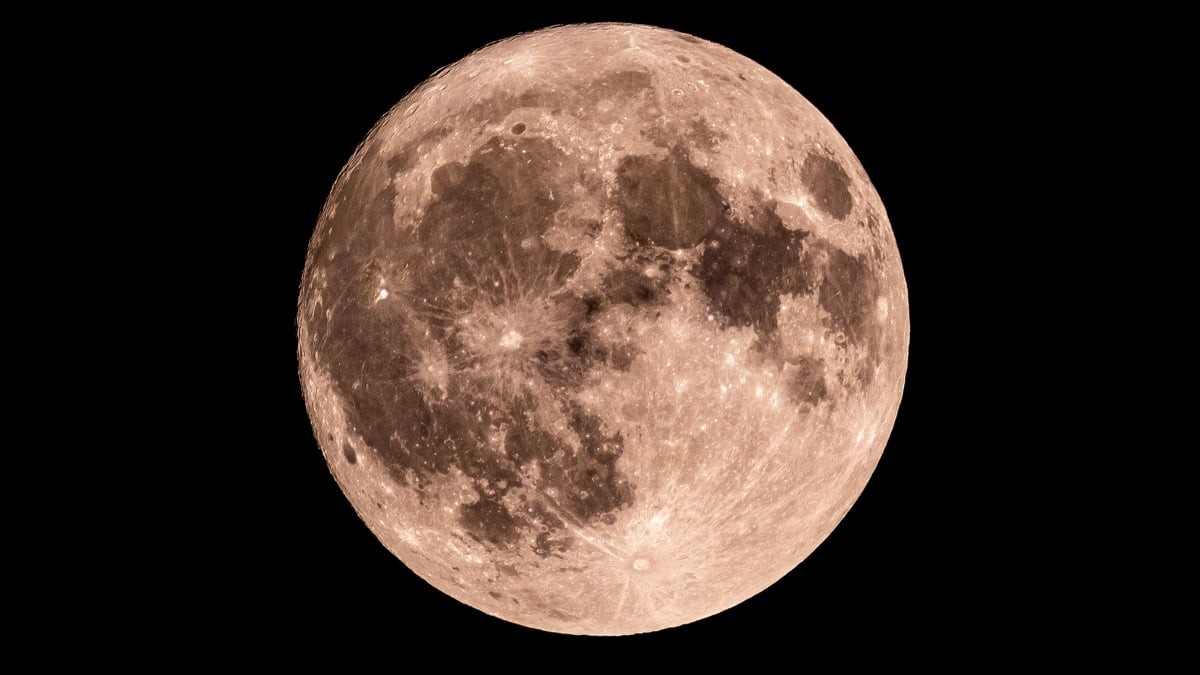
This visibility is key to lunar observation : these craters and basins offer insight into the Moon’s geological history. The dark maria (ancient lava plains) and bright highlands (heavily cratered regions) tell a story of billions of years of impacts and volcanic activity.
Upcoming Full Moon
The next Full Moon is predicted for April 1, 2026, in North America. This phase occurs when the Moon is positioned opposite the Sun in the sky, making it appear fully illuminated.
Understanding Moon Phases
The lunar cycle consists of eight distinct phases:
- New Moon : The Moon is between Earth and the Sun, making it appear dark.
- Waxing Crescent : A sliver of light grows on the right side (in the Northern Hemisphere).
- First Quarter : Half of the Moon is lit on the right.
- Waxing Gibbous : More than half is illuminated, approaching fullness.
- Full Moon : The entire visible face is lit.
- Waning Gibbous : Light begins to fade on the right side.
- Third Quarter : Half of the Moon is lit on the left side.
- Waning Crescent : A thin sliver remains on the left before fading into a New Moon again.
These phases are a result of the Moon’s orbit around Earth and how sunlight reflects off its surface. The consistency of this cycle has been used for timekeeping and navigation for millennia.
The lunar phases are not just an astronomical curiosity; they influence tidal patterns, animal behavior, and even some cultural practices. Understanding these phases provides a deeper connection to the natural rhythms of our planet.