New research suggests that a simple change in postpartum care—daily blood pressure monitoring at home —could significantly lower the long-term risk of heart attack, stroke, and premature death for women who experienced hypertension during pregnancy.
The Postpartum Window of Opportunity
For many women, pregnancy serves as a critical indicator of future cardiovascular health. Conditions such as gestational hypertension or pre-eclampsia (a more severe form involving organ damage) affect between 5% and 10% of pregnancies.
While the immediate dangers to the mother and baby are well-documented, the long-term implications are often underestimated. Women who experience high blood pressure during pregnancy face:
– Three times the risk of developing hypertension later in life.
– Twice the risk of developing heart disease.
– A significantly higher risk of premature death, with some studies suggesting a 42% increase.
Professor Paul Leeson of the University of Oxford describes the weeks following childbirth as a “powerful and often overlooked opportunity” to intervene and prevent lasting physiological damage.
The Study: Routine Care vs. Active Monitoring
Researchers at the University of Oxford conducted a study involving 220 women who had developed hypertension during pregnancy. All participants were transitioning through the process of reducing or stopping their blood pressure medications. The group was split into two approaches:
- Standard Care: 108 women received routine care, where medication dosages were adjusted based on occasional blood pressure checks during the eight weeks following birth.
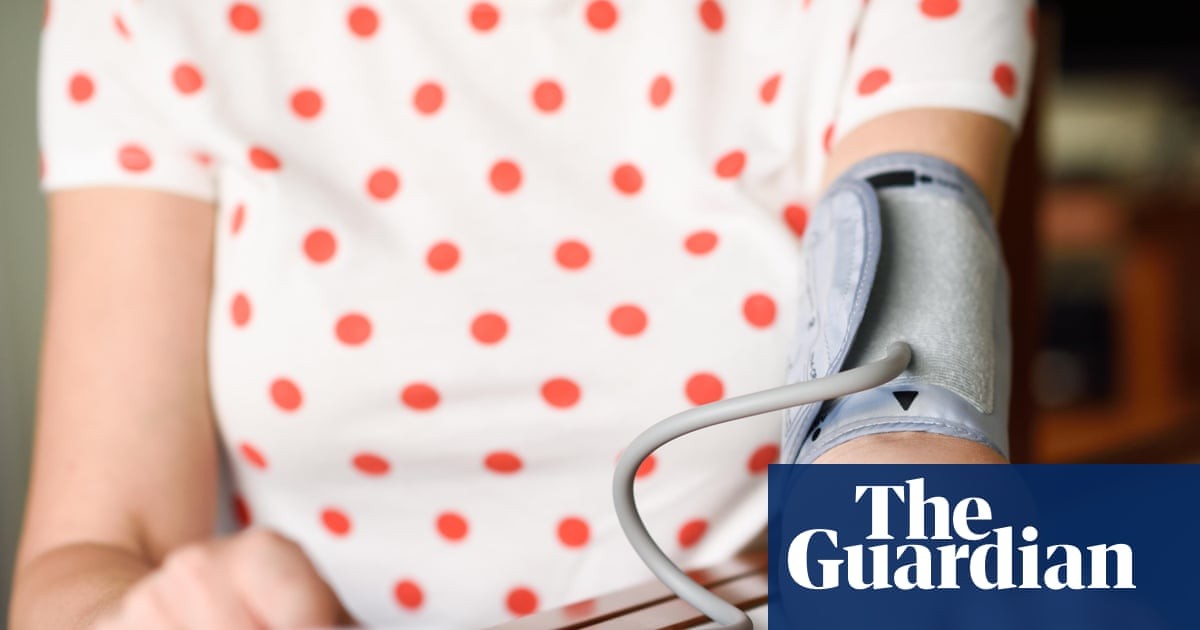
- Active Home Monitoring: 112 women used home monitors to check their blood pressure daily. These readings were uploaded to an app shared with doctors, allowing for real-time, personalized medication adjustments.
Findings: Protecting the Arteries
The results, published in the journal Hypertension, demonstrated a clear advantage for the home-monitoring group. By maintaining tighter control over their blood pressure through daily data, these women showed significantly less arterial stiffness nine months later.
Why arterial stiffness matters:
Healthy arteries are elastic; they expand and contract to manage blood flow. When arteries become stiff, they lose this ability, which drives blood pressure even higher and increases the likelihood of blood clots. These clots are the primary cause of strokes and heart attacks.
Oxford researchers estimate that the improved arterial health observed in the monitoring group could reduce the future risk of heart attack or stroke by 10%.
Looking Ahead: Scaling the Solution
The success of this approach has sparked interest in how to implement it on a larger scale. Current efforts are focused on finding practical ways to roll out home monitoring, with one proposed model involving specialist NHS clinics managing the care.
“The results highlight a crucial window after birth when paying close attention to blood pressure could help protect women’s heart health for years to come.” — Dr. Sonya Babu-Narayan, Clinical Director at the British Heart Foundation.
Conclusion
By shifting from reactive, occasional check-ups to proactive, daily home monitoring, healthcare providers can turn the postpartum period into a vital defense against long-term cardiovascular disease.