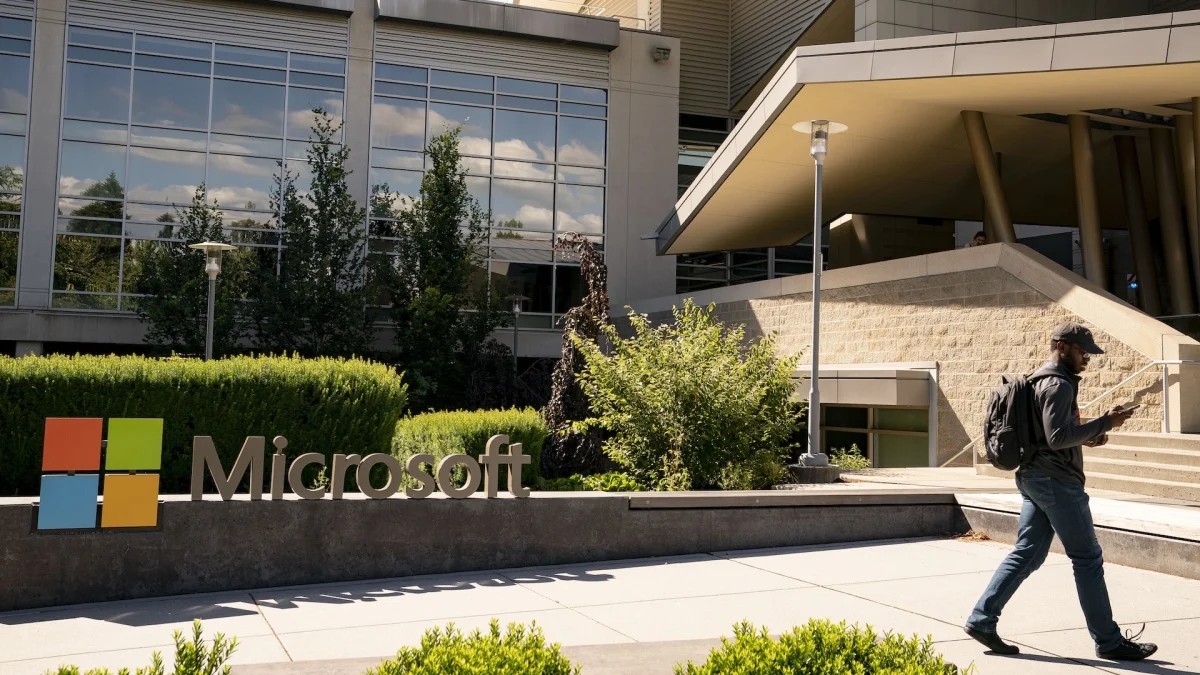
Microsoft, long regarded as a leader in corporate environmental responsibility, is reportedly reconsidering one of its most ambitious climate commitments. According to a recent report by Bloomberg, the tech giant may delay or entirely scrap its pledge to match 100% of its hourly electricity usage with renewable energy sources by 2030.
This potential retreat highlights a growing tension in the tech industry: the race to build infrastructure for artificial intelligence (AI) is clashing with established sustainability targets.
The Conflict: AI Growth vs. Green Goals
Microsoft’s current target, known as the 100/100/0 goal, is among the most rigorous in the corporate world. It commits the company to powering all its global operations with zero-carbon energy, every hour of every day, by 2030. While Microsoft has successfully met its annual renewable energy matching targets, the hourly requirement is significantly more complex and expensive.
The primary driver for this strategic shift is the explosive demand for AI. To support this growth, Microsoft is investing approximately $190 billion in data centers through the end of the year. This massive capital expenditure is redirecting funds away from other corporate initiatives, including clean energy projects and carbon-dioxide removal programs, which have already seen reductions.
The sheer scale of infrastructure required for AI is forcing a triage of corporate priorities, where immediate operational needs are outweighing long-term environmental pledges.
A Broader Industry Trend
Microsoft is not alone in this dilemma. The “AI arms race” has led to a surge in carbon emissions across Big Tech. According to Bloomberg, since late 2022:
* Microsoft’s carbon emissions have risen by 23%.
* Google’s emissions have increased by 51%.
* Meta’s emissions have jumped by 64%.
As renewable sources like solar, wind, and hydro power struggle to keep pace with the insatiable energy demands of new data centers, many tech companies are turning to natural gas as a stopgap solution. While natural gas emits fewer greenhouse gases than coal, it is still a fossil fuel that contributes to global warming, marking a step backward for companies that had previously championed cleaner alternatives.
Why This Matters
This shift raises critical questions about the environmental cost of the AI revolution. As tech giants prioritize speed and scale in deploying AI technologies, their climate commitments are becoming secondary. The potential abandonment of Microsoft’s hourly clean energy goal signals that sustainability may be becoming a flexible metric rather than a fixed boundary in the pursuit of technological dominance.
In conclusion, Microsoft’s reconsideration of its 100/100/0 goal underscores a significant challenge for the tech industry: balancing the rapid expansion of AI infrastructure with genuine progress toward a carbon-neutral future.