Microsoft researchers have cracked a key barrier to long-term data preservation: storing terabytes of information on ordinary glass for up to 10,000 years. This breakthrough, detailed in the journal Nature, moves beyond expensive, specialized materials, making ultra-archival data storage a practical reality.
From Specialized Silica to Kitchen Glassware
For years, durable data storage required exotic materials like pure fused silica. The new method utilizes readily available borosilicate glass—the same found in cookware and oven doors—reducing costs and increasing accessibility. The shift from niche materials to common glassware is crucial for scaling this technology.
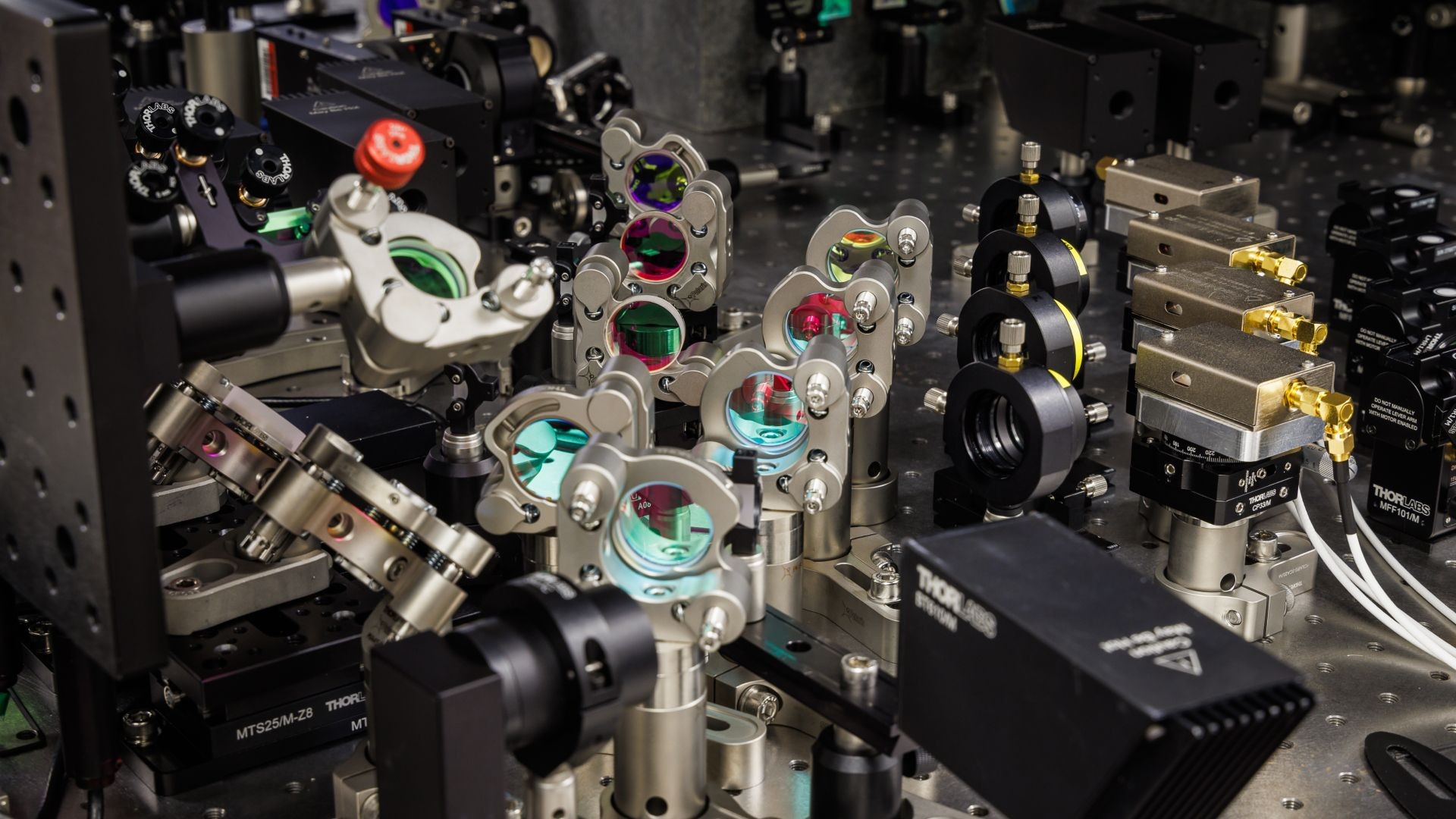
The team achieved this by refining their “Project Silica” technology, which uses laser pulses to encode data into the glass at a subatomic level. They’ve demonstrated the ability to write 4.8 terabytes—enough for roughly 200 4K movies—onto a small glass plate (2mm x 120mm) using 301 layers. While writing speeds (3.13 MB/s) are slower than current hard drives or SSDs, the longevity of the data surpasses them by orders of magnitude.
The Science Behind the Stability
The innovation lies in several key advancements:
- Birefringent voxel writing: Improved laser pulse techniques enable more efficient data encoding. The team optimized how laser polarization splits to write multiple data points (voxels) simultaneously, boosting speed.
- Phase-change voxels: A new method encodes data not through polarization, but by altering the glass’s phase via energy and pressure, allowing for single-pulse writing.
- Aging identification: Scientists can now reliably detect degradation in stored data, ensuring long-term integrity. Accelerated aging tests confirm the 10,000-year lifespan claim.
Why This Matters: Beyond Backup Drives
The real value isn’t replacing your laptop hard drive. This is about archival storage —preserving critical data for centuries. The current digital landscape relies on fragile media that degrades within decades. Imagine governments, libraries, or even individuals wanting to secure records indefinitely.
The potential applications are vast: preserving cultural heritage (like the Global Music Vault in Norway), long-term scientific datasets, or even personal legacies. The technology also competes with emerging DNA-based storage (which can hold 360TB in half a mile of genetic material).
Future Developments
Researchers are working to further accelerate writing speeds and explore optimal glass compositions. The focus remains on refining laser-based writing and reading technologies. The ultimate goal is not just longevity, but also efficiency in accessing this ultra-archival data.
This breakthrough positions Microsoft as a leader in long-term data preservation, offering a solution where failure is not an option. The implications for how we store and protect information for future generations are profound.