A deepening environmental crisis in the River Lugg is no longer just an ecological concern; it has become a significant socio-economic barrier, stalling housing developments and forcing residents into substandard living conditions.
What began as a movement to protect local waterways has escalated into a legal and economic standoff, pitting environmental preservation against the fundamental need for housing and local growth.
The Human Cost of Regulatory Delays
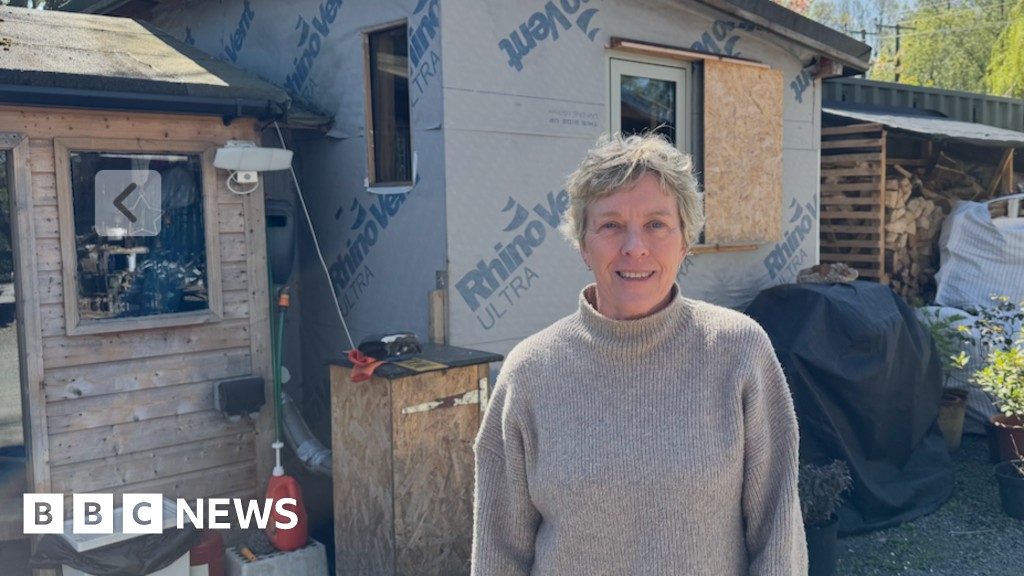
For residents like Jane and Tony Coyle, the environmental crisis has become a personal struggle for stability. After purchasing a plot in Edwyn Ralph in 2018 to build a sustainable home, the couple has been trapped in a cycle of delays caused by the Lugg Moratorium.
Due to high levels of pollution, building restrictions were implemented in 2019 to protect the river. While the Coyles finally secured permission in 2025, the years of waiting have taken a heavy toll:
– Financial Strain: Tens of thousands of pounds have been lost to rising legal fees, increased material costs, and the mandatory purchase of phosphate credits.
– Living Conditions: The couple has been forced to move from a caravan into a construction site shed.
– Health and Family: The prolonged instability has reportedly impacted Tony Coyle’s health and forced their daughters to seek external accommodation.
The “Lugg Moratorium” and the Economic Ripple Effect
To combat rising phosphate and nitrate levels, Herefordshire Council introduced a moratorium on new developments. Under this system, developers can mitigate their impact by purchasing phosphate credits, the proceeds of which fund wetland restoration.
While intended to save the river, the policy has created a bottleneck for regional growth. Leominster Town Council reports that the restrictions have effectively placed approximately 2,000 new homes and renovations on hold.
This stagnation creates a difficult paradox for the community:
1. Housing Shortages: Young families cannot find homes, while older residents lose their independence due to a lack of suitable local housing.
2. Economic Stagnation: A lack of new residents threatens the viability of local shops, pubs, and restaurants.
3. Tourism Decline: The very natural beauty that drives the local tourism economy is being eroded by the pollution that necessitated the restrictions in the first place.
A High-Stakes Legal Battle
The tension has now moved to the High Court in London, where a massive legal challenge is unfolding. Approximately 4,500 people have joined a lawsuit alleging that industrial-scale poultry farming and sewage spills are the primary drivers of pollution in the Wye, Lugg, and Usk rivers.
The defendants in this case include major industry players and utility providers:
– Avara Foods & Freemans of Newent: Accused of contributing to pollution through the use of chicken manure as fertilizer.
– Welsh Water: Accused of allowing human sewage to enter the river systems.
The Defense Positions
The companies involved have vigorously denied the allegations. Avara Foods maintains that the claims are based on a misunderstanding of scientific data, while Welsh Water asserts that they have invested over £76 million in water quality improvements over the last five years. Welsh Water also warned that heavy financial penalties could divert funds away from essential service investments.
Why This Matters
This conflict highlights a growing global trend: the collision between environmental necessity and economic development. As climate change and pollution necessitate stricter regulations to protect natural resources, the “collateral damage” often falls on local residents and small-scale developers. The outcome of this High Court case will likely set a precedent for how agricultural and utility industries are held accountable for watershed health across the UK.
The struggle in Herefordshire illustrates a difficult reality: protecting a river is essential for long-term survival, but the immediate cost of that protection is being paid in housing, livelihoods, and quality of life.
The resolution of this legal battle will determine whether the region can find a sustainable balance between protecting its vital waterways and providing the infrastructure necessary for its people to thrive.