New research confirms that the precursors to proteins can spontaneously form in interstellar space, bolstering theories about life’s origins and guiding the search for extraterrestrial life.
For decades, scientists have debated how the first complex organic molecules arose on Earth. One leading hypothesis suggests that key ingredients for life may have originated in space and been delivered via meteorites. A recent study published in Nature Astronomy provides strong evidence supporting this idea: amino acids, the fundamental units of proteins, can link together to form peptide bonds in the harsh conditions of outer space. This is the first step toward creating more complex molecules like enzymes and cellular proteins.
The Chemical Cocktail of Early Life
Early life relied on a complex mix of molecules, including amino acids, sugars, and RNA. The question of how these simple compounds first formed remains a central mystery in astrobiology. The discovery of glycine, the simplest amino acid, in comets and meteorites (including samples from NASA’s OSIRIS-REx mission to asteroid Bennu) has long hinted at an extraterrestrial source. However, more complex molecules like dipeptides – two amino acids bonded together – have yet to be found in these celestial bodies.
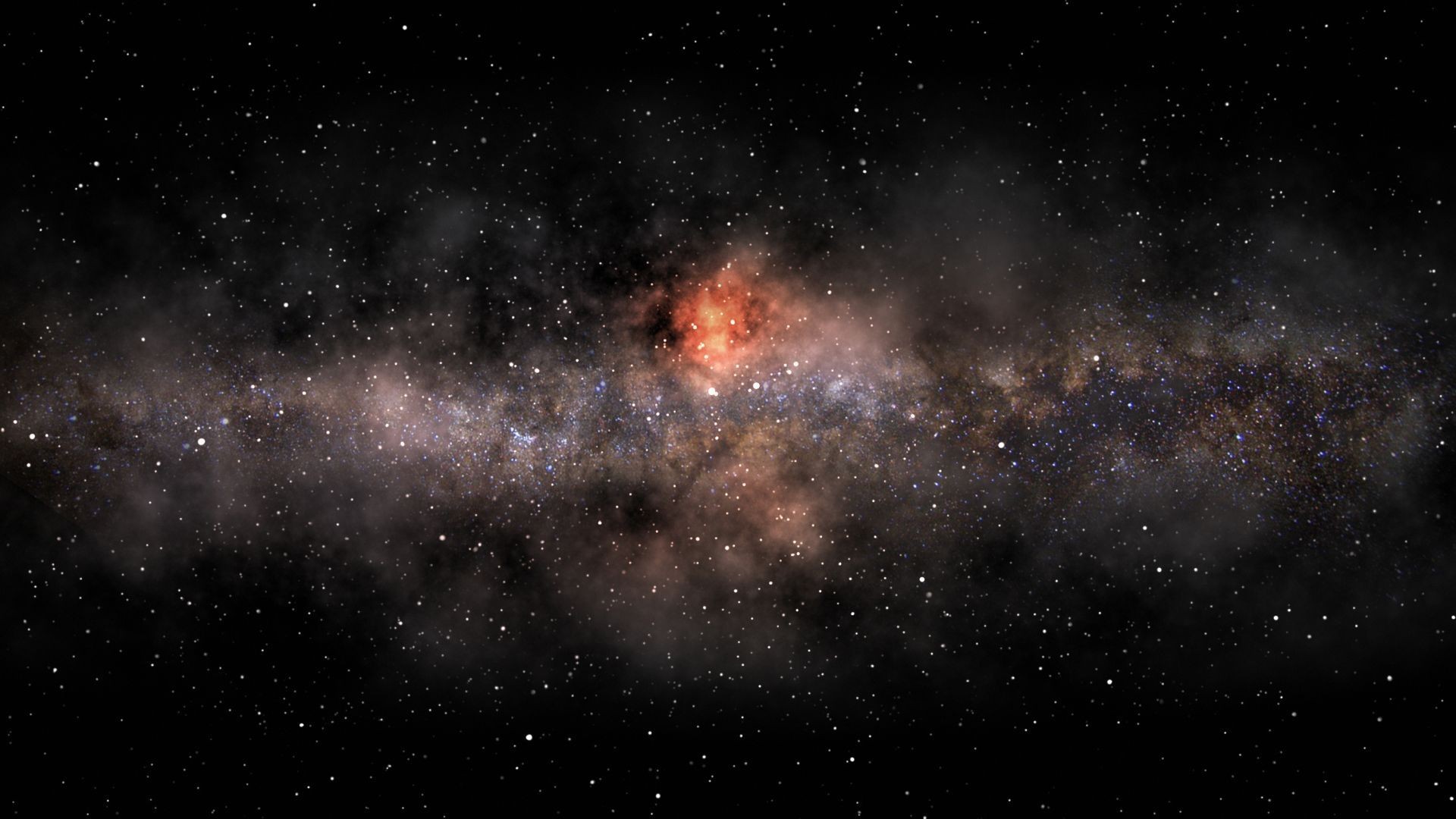
This is where the new research becomes significant: interstellar space, with its high radiation levels, drives unusual chemistry that could theoretically favor the formation of larger, more complex molecules. As Alfred Hopkinson, lead author of the study, explains, “If amino acids could join in space and get to the next level of complexity… when that’s delivered to a planetary surface, there’s an even more positive starting point to form life.”
Recreating Space in the Lab
To test this, researchers at Aarhus University in Denmark collaborated with the HUN-REN Atomki cyclotron facility in Hungary. They simulated space conditions by bombarding glycine-coated ice crystals with high-energy protons at extremely low temperatures (-423.67°F). Using advanced spectroscopic and mass spectrometry techniques, they analyzed the resulting products.
The experiment confirmed that glycine molecules reacted to form a dipeptide called glycylglycine, proving that peptide bonds can form spontaneously in space. The team used deuterium labels to precisely track how these molecules interacted.
Beyond Dipeptides: Unexpected Complexity
The study revealed more than just dipeptides. Researchers also tentatively identified N-formylglycinamide, a subunit used in the production of DNA building blocks, suggesting an even broader range of organic molecules can form in space.
This finding is critical because it broadens the range of potential pathways for the origin of life. “If you make such a vast array of different types of organic molecules, that could impact the origin of life in ways we hadn’t thought of,” Hopkinson notes. The implications could reshape our understanding of early Earth conditions.
The team is now investigating whether other amino acids follow the same pattern, potentially leading to the formation of diverse peptides with unique chemical properties.
This research provides compelling evidence that the building blocks of life can form under realistic space conditions, expanding the possibilities for life’s emergence both on Earth and beyond.