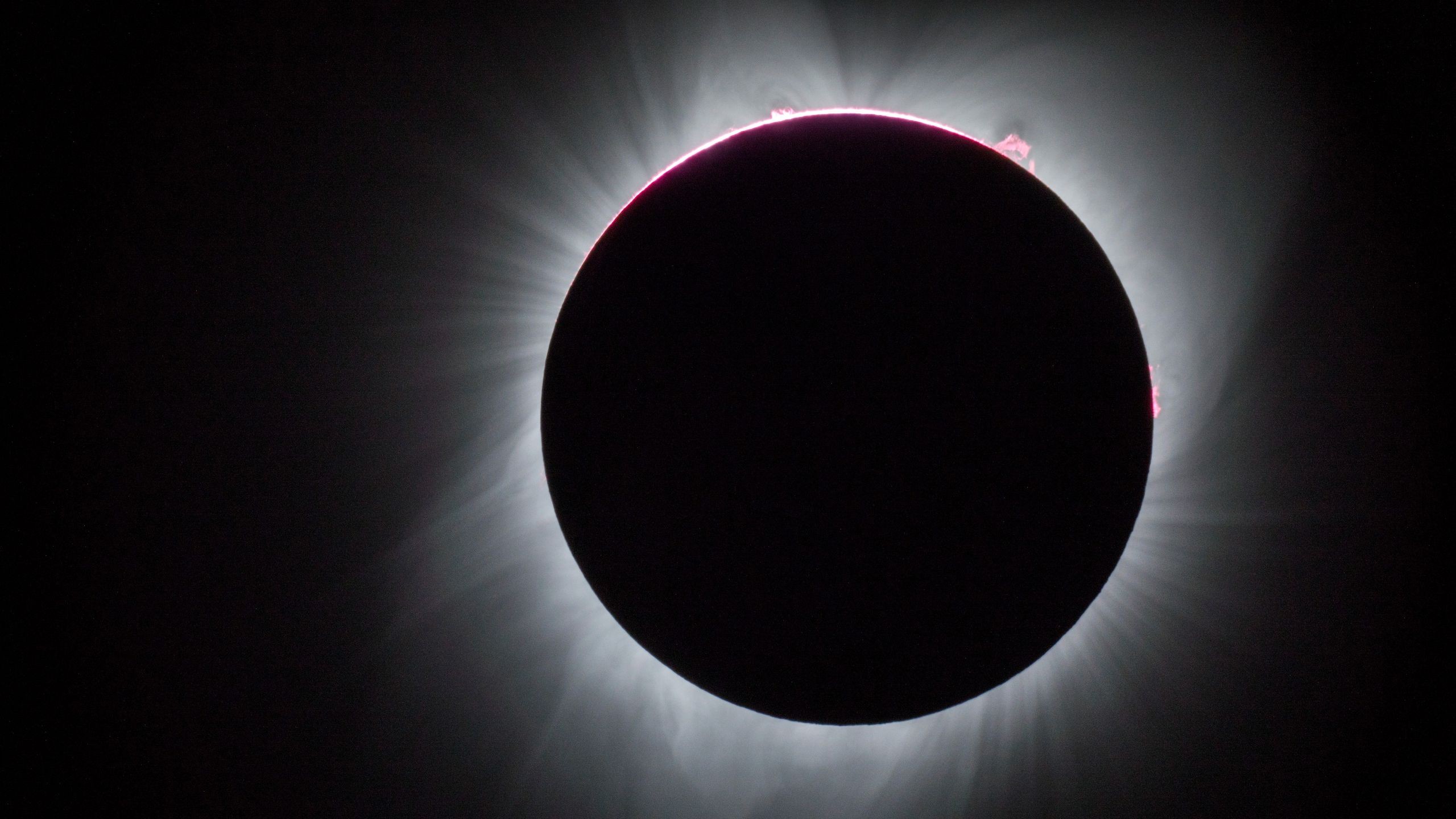
Two total solar eclipses are set to occur in the next two years, including an event dubbed the “eclipse of the century” due to its exceptionally long duration and favorable viewing conditions. These celestial events offer unique opportunities for observers in Europe, North Africa, and beyond to witness the dramatic darkening of the sun.
The August 2026 Eclipse: A European Spectacle
The first eclipse, on August 12, 2026, will sweep across Greenland, Iceland, and Spain. For mainland Europe, this is the first total solar eclipse since 1999, making it a particularly noteworthy event. Cities in northern Spain, such as León, Burgos, and Valladolid, will be prime viewing locations.
The eclipse will occur near sunset, and clear skies are predicted, coinciding with the peak of the annual Perseid meteor shower. This offers a rare chance to observe meteors during the twilight-like conditions of totality, which will last less than two minutes. For those seeking the longest totality, Iceland’s Snæfellsnes Peninsula or Greenland’s fjords will provide over two minutes of complete darkness. Though meteor spotting at these high latitudes may be difficult due to short nights, the potential for aurora displays adds another layer of excitement.
The August 2027 Eclipse: The “Eclipse of the Century”
The August 2, 2027, eclipse will stretch across North Africa, southern Spain, and the Middle East. The most remarkable feature of this event is its incredible duration: up to 6 minutes and 22 seconds of total darkness in some locations. Observers near Luxor, Egypt, will experience the longest land-based totality of the 21st century.
The eclipse’s path crosses regions with historically clear skies, increasing the likelihood of optimal viewing conditions. This combination of length and climate has earned it the title “eclipse of the century.” The path of totality will also cross parts of Spain, Morocco, Algeria, Tunisia, Libya, Saudi Arabia, Yemen, and Somalia.
A Triple Treat: The 2028 Eclipse
While the 2026 and 2027 eclipses are drawing significant attention, a third total eclipse is scheduled for July 22, 2028, crossing Australia and New Zealand. Sydney will experience its first totality since 1857. This series of events promises an exciting period for eclipse chasers worldwide.
These eclipses are not just astronomical events; they are cultural and scientific opportunities. The long duration of the 2027 eclipse, combined with the clear skies expected in North Africa, makes it an extraordinary occasion for observation, research, and public engagement.