Dr. Judith L. Rapoport, a leading child psychiatrist who dramatically changed public understanding of obsessive-compulsive disorder (OCD), has died at age 92. Her work, notably her 1989 book The Boy Who Couldn’t Stop Washing, brought a previously misunderstood condition into the light. She passed away on March 7 in Washington, D.C., from lung cancer, according to her husband, Stanley Rapoport.
Breaking the Silence Around OCD
For decades, OCD was a hidden struggle. Dr. Rapoport’s research and writing revealed that the disorder affects an estimated 1 to 3 percent of the population—far more common than previously believed. The shame surrounding its symptoms kept many sufferers in the shadows. These symptoms range from compulsive checking (appliances, locks, etc.) to debilitating rituals like repetitive counting or excessive handwashing.
The impact of OCD can be severe, with uncontrollable compulsions consuming hours of each day. Dr. Rapoport’s work was essential in normalizing the discussion around these struggles and reducing stigma.
Neurological Basis for Obsessions
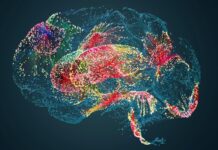
Dr. Rapoport’s findings went beyond describing the behaviors of OCD; she demonstrated a clear neurological basis for the condition. Her research showed that obsessions—the intrusive, repetitive thoughts—and compulsions—the pointless rituals performed to alleviate anxiety—are rooted in brain function. This discovery was pivotal in moving OCD from a psychological curiosity to a treatable neurological condition.
Her book simplified complex scientific concepts for the average reader, making the condition understandable and relatable. This accessibility helped countless individuals recognize their own symptoms and seek help.
Dr. Rapoport’s legacy lies in her ability to transform how OCD is perceived, understood, and treated. Her work has paved the way for more effective therapies and a more compassionate view of those who live with this disorder.