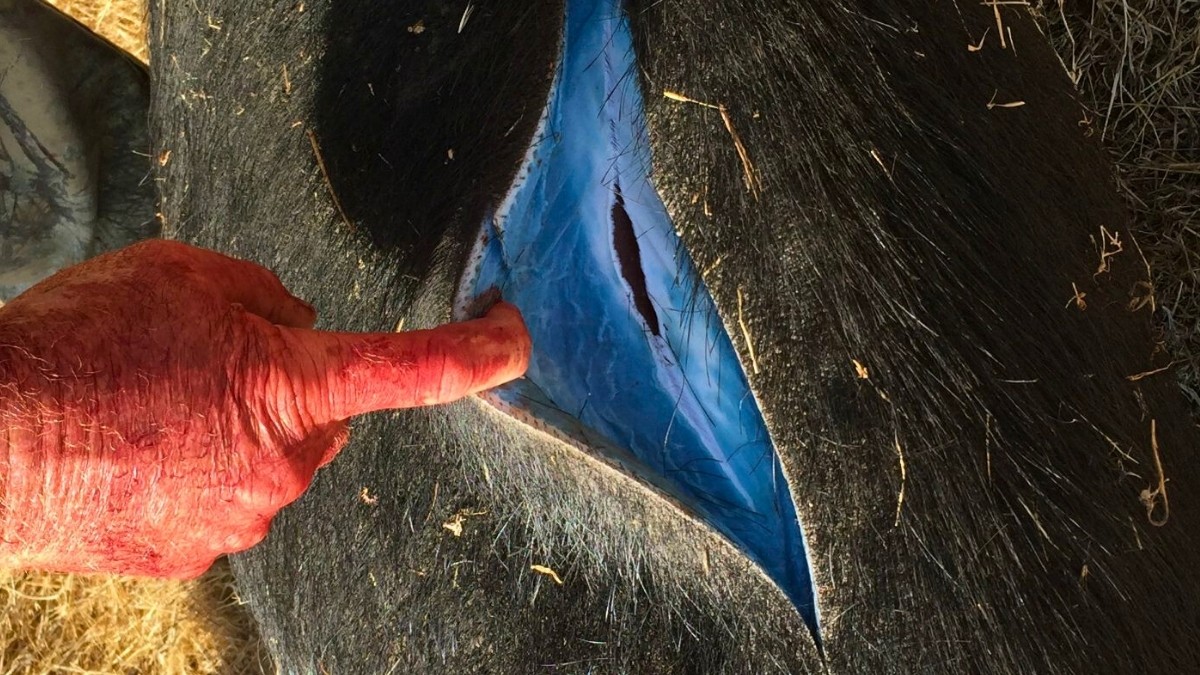
Wild pigs in California are being found with startlingly bright blue flesh, a consequence of exposure to rodenticides used for pest control. The phenomenon, first observed in March 2025, has prompted warnings from state wildlife authorities about potential contamination risks for hunters and consumers of wild game.
The Problem: Toxic Blue Dye
The unusual coloration is caused by diphacinone, a first-generation anticoagulant rodenticide often dyed blue as a visual marker. While the use of this chemical is restricted in California since 2024, pigs continue to ingest it – either directly from bait or by consuming poisoned rodents. Hunters have reported finding meat with “neon blue, blueberry blue” flesh, indicating widespread contamination.
Why this matters: This isn’t an isolated incident. Wildlife groups have long warned about the collateral damage of chemical pesticides, which harm non-target species through direct exposure or secondary poisoning. Raptors, mountain lions, bobcats, foxes, and even endangered species like the northern spotted owl are all at risk.
How Rodenticides Work – and Why They’re Dangerous
Diphacinone interferes with vitamin K recycling, causing severe internal bleeding in animals. The chemical remains active in tissues even after death, meaning that cooked meat can still be toxic to consumers.
The risks to humans: Exposure to pesticides isn’t limited to wildlife. Studies link long-term pesticide use to declining sperm rates, diabetes, cancers, Alzheimer’s, and structural brain abnormalities in children.
What Authorities Are Saying
The California Department of Fish and Wildlife (CDFW) has issued advisories urging hunters to be aware of potential contamination in wild game. Pesticide applicators are also being encouraged to take measures to prevent wildlife exposure, such as using appropriate bait stations and excluding non-target species.
“Hunters should be aware that the meat of game animals… might be contaminated if that game animal has been exposed to rodenticides,” stated Ryan Bourbour, a CDFW pesticide investigations coordinator.
Beyond Diphacinone: A Wider Problem
The blue-pig incident highlights a systemic issue: excessive reliance on chemical pesticides without sufficient long-term studies on their health impacts. A 2024 scientific review concluded that uncontrolled pesticide use leads to food contamination, environmental pollution, and agricultural damage. International cooperation is crucial to address these threats.
Safer Alternatives
Integrated pest management offers a more sustainable approach, combining safer strategies such as encouraging natural predators, constructing barriers, and using deterrents like light, sound, or natural scents (e.g., peppermint oil).
If you encounter blue-fleshed animals or other abnormalities, report them to the California Wildlife Health Lab.
The continued contamination of wildlife underscores the urgent need for a shift toward more responsible and ecologically sound pest control practices. The long-term consequences of unchecked pesticide use extend far beyond the immediate target pests.