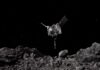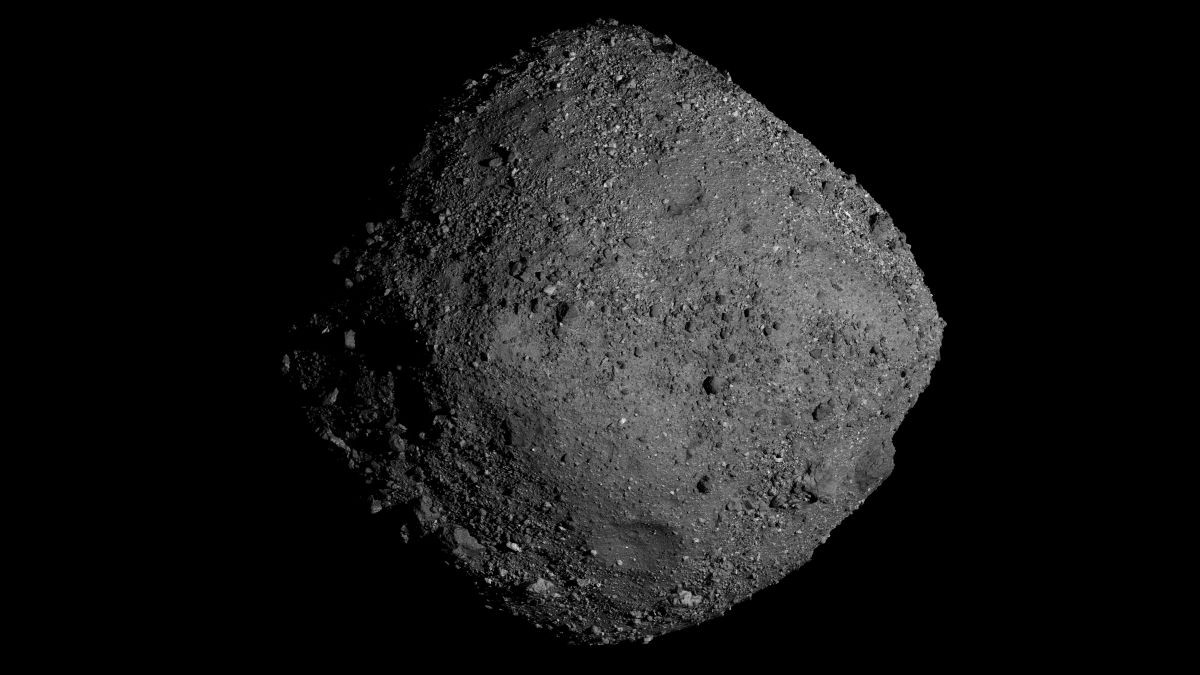
NASA’s OSIRIS-REx mission has delivered a groundbreaking discovery: the detection of tryptophan – an essential amino acid critical for serotonin production – in samples collected from asteroid Bennu. This marks the first confirmed presence of tryptophan in an extraterrestrial sample, reinforcing the theory that space rocks played a significant role in seeding early Earth with the building blocks of life.
The Origins of Life: A Cosmic Delivery?
For decades, scientists have theorized that comets and asteroids delivered crucial organic molecules to a young Earth. This discovery adds strong evidence to that claim, suggesting these celestial bodies weren’t just carriers of water and minerals, but also vital ingredients for the emergence of life. The presence of tryptophan in Bennu – a space rock nearly as old as the Solar System itself – bolsters this hypothesis and raises questions about how widespread such prebiotic chemistry may be across the cosmos.
What is Tryptophan and Why Does it Matter?
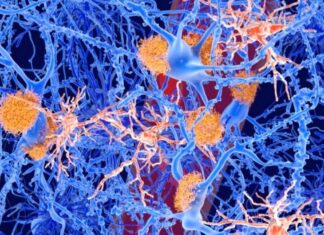
Tryptophan is one of nine essential amino acids that humans cannot produce on their own, meaning we must obtain it from our diet. It’s a precursor to serotonin, a neurotransmitter that regulates mood, wellbeing, and happiness. Low serotonin levels are linked to depression and anxiety. The fact that this molecule was found in an asteroid suggests that the raw materials for neurological function existed elsewhere in the solar system.
Fragility and Implications
The detection of tryptophan is surprising because the amino acid is relatively fragile and unlikely to survive the intense heat of atmospheric entry when found in meteorites. Bennu’s sample, however, was carefully collected and preserved, allowing for its detection. This suggests that asteroids may harbor a wider range of delicate prebiotic molecules than previously thought, waiting to be discovered.
“Additional targeted analyses… are needed to firmly establish its origin in Bennu and possibly other astromaterials,” researchers state, emphasizing the need for further investigation.
A Complex Chemical Recipe
The research team at NASA and the University of Arizona also confirmed the presence of 14 other amino acids and all five common nucleobases – the building blocks of DNA and RNA – in the Bennu sample. The asteroid’s brecciated composition (like a rich, densely packed fruitcake) indicates that various processes, including water-based reactions, contributed to the formation of these molecules. No single process can explain the observed chemical diversity, suggesting a complex interplay of factors in the early Solar System.
The discovery of tryptophan in Bennu is significant because it expands our understanding of prebiotic chemistry and emphasizes the importance of sample return missions. Further analysis will be crucial to confirm the molecule’s origin and explore similar materials in other astromaterials, potentially reshaping our understanding of how life could arise elsewhere in the universe.