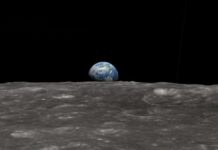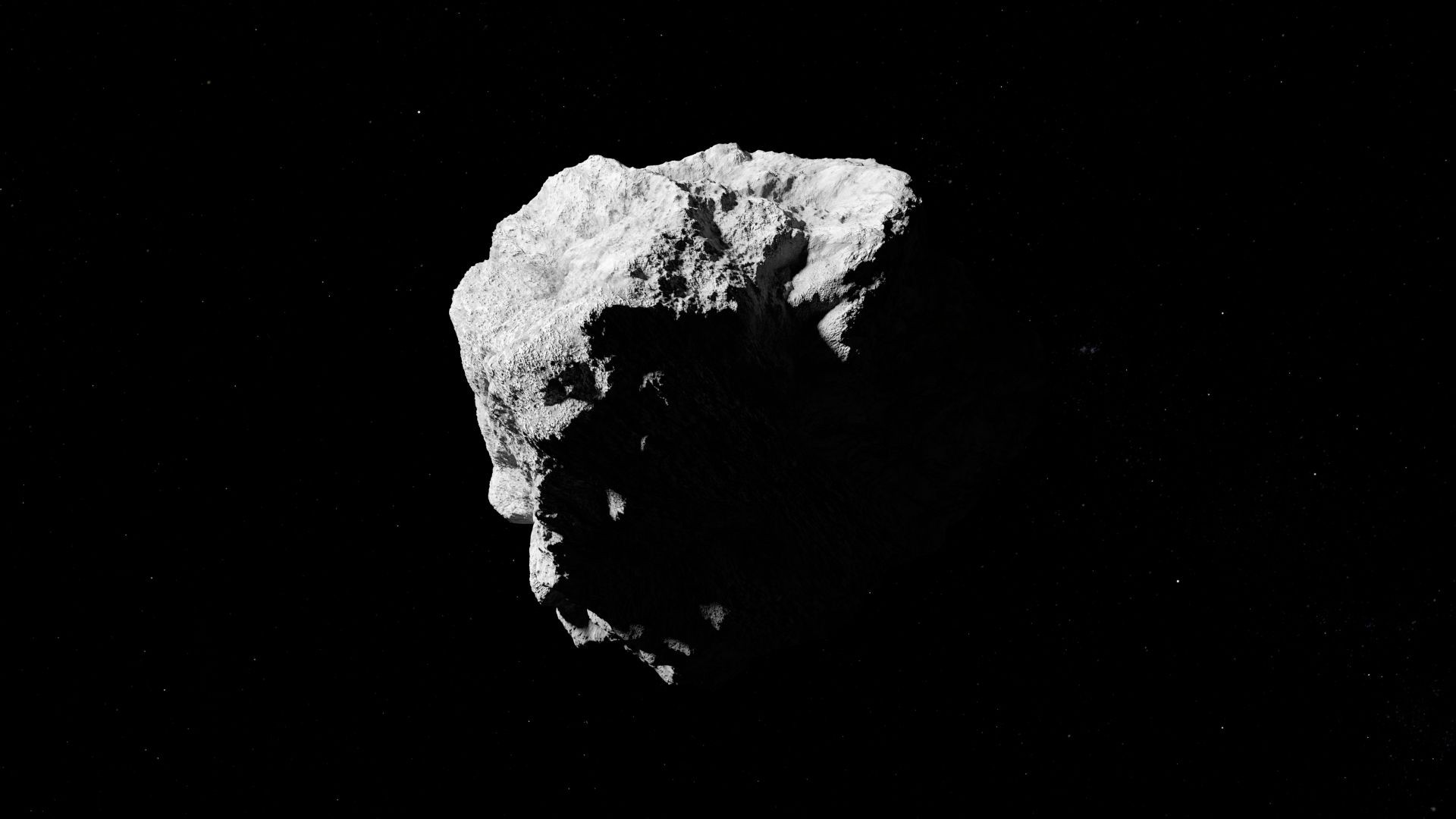
A house-sized asteroid is scheduled to pass remarkably close to Earth and the Moon tonight, April 9. While the object’s speed and proximity may sound alarming, astronomers confirm there is no danger of impact to our planet or its lunar neighbor.
The Details of the Flyby
The asteroid, officially designated 2026 GD, was first identified on Monday, April 6. Measuring approximately 16 meters (54 feet) in diameter, the object is traveling at a staggering speed of 28,030 miles per hour (45,109 km/h).
The trajectory of the asteroid will bring it through the southern hemisphere, following this timeline:
- Closest Approach to Earth: 6:59 p.m. (2259 GMT) on April 9. At this point, it will be roughly 155,760 miles (250,000 km) away—about 65% of the distance between the Earth and the Moon.
- Closest Approach to the Moon: A few hours later, at 8:12 p.m. EDT (0012 GMT on April 10), the asteroid will pass just 101,000 miles (163,750 km) from the lunar surface.
Safety and Mission Impact
Despite the close proximity, space agencies have confirmed that 2026 GD poses no threat to Earth or the Moon. Furthermore, the flyby will not interfere with the Artemis 2 lunar mission. The crew, currently returning from the Moon, is on a safe course for their scheduled parachute-assisted splashdown off the California coast this Friday, April 10.
What Happens Next?
After its encounter with our neighborhood, 2026 GD will continue its journey through the solar system on a 644-day elliptical orbit. Its path will take it:
1. Beyond the orbit of Mars.
2. Back toward the Sun.
3. Toward its next significant planetary encounter in July 2031, when it will pass Venus at a distance of approximately 25 lunar distances.
Why this matters: Frequent “close approaches” like this are a vital part of modern planetary defense. Monitoring small objects like 2026 GD allows astronomers to refine their tracking models and ensure that we can identify and respond to any genuine threats long before they reach our orbit.
Conclusion
While the asteroid 2026 GD is passing much closer to Earth than the Moon, it remains a harmless visitor that will continue its long orbit through the solar system without impacting our planet.