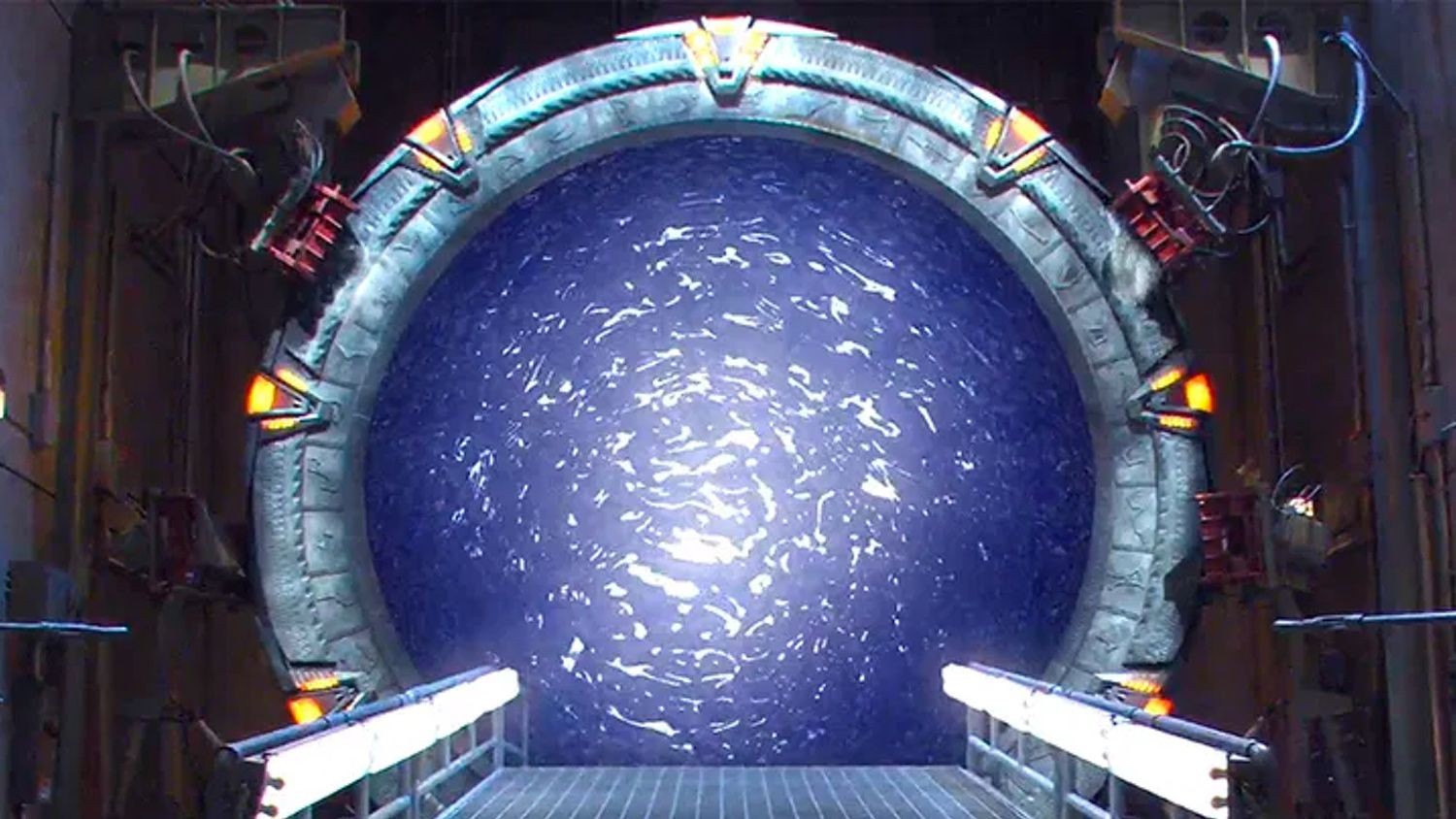
After years of dormancy, Amazon is officially rebooting Stargate, reigniting a fervent fanbase and signaling a major investment in the sci-fi universe. The revival, spearheaded by veteran Stargate producer Martin Gero, aims to build upon the franchise’s legacy while attracting new viewers. This isn’t just a nostalgic cash-in; it’s a calculated bet on a property with proven appeal in a streaming landscape hungry for established IPs.
The Long Road Back to the Gate
The announcement in November 2023 ended a 14-year silence following the cancellation of Stargate Universe in 2011. Amazon’s acquisition of MGM in 2022 quietly primed the project, but internal development took time. As Gero explains, Amazon’s methodical approach wasn’t due to disinterest, but rather a deliberate effort to ensure a high-quality relaunch. The company recognized Stargate ‘s potential early on, but prioritized careful planning over rushed execution.
The franchise’s history is worth noting: Stargate SG-1 ran for ten seasons, Stargate: Atlantis for five, and the shorter-lived Stargate Universe for two. Each series built upon the original 1994 film, expanding the mythology while retaining a core formula of adventure, exploration, and character-driven storytelling. The abrupt cancellation of Universe left many threads dangling, fueling speculation about future continuations.
What to Expect: Continuity, Not Reset
Gero has emphasized that the new series won’t overwrite existing canon. Instead, it’s positioned as a fresh entry point into the Stargate universe, rather than a hard reboot. This approach is critical: alienating long-term fans would undermine the project’s core appeal. The creative team, including Stargate figureheads Joseph Mallozzi and Brad Wright, appears committed to honoring the franchise’s established lore while introducing new elements.
The production timeline is ambitious but realistic. Writing is slated to begin in early 2026, with a potential debut in late 2027 or 2028. Modern streaming demands shorter seasons—likely fewer than the 20+ episodes common in the franchise’s heyday—but Gero has stressed a commitment to quality over quantity. This shift reflects broader industry trends, where tighter narratives and higher production values are prioritized.
Production and Technology
The show will film in London, leveraging Amazon MGM Studios’ facilities and the UK’s favorable tax incentives. This contrasts with previous Stargate productions based in Vancouver, signaling a strategic relocation to a more cost-effective and logistically advantageous hub.
Advances in visual effects technology, such as the “Volume” virtual production stage used on The Mandalorian, offer new opportunities for immersive world-building. While details remain scarce, the integration of these techniques suggests a visually ambitious series.
Fan Demand and Legacy
Social media has been ablaze with fan theories and wishlists. The dominant sentiment is a call for continuity, compelling characters, and a return to the franchise’s signature blend of humor, action, and optimistic exploration. The show’s success hinges on striking this balance: respecting the past while forging a new path.
The original Stargate SG-1 excelled at character-driven narratives, forging enduring relationships between its leads. The new series must replicate this strength to capture both veteran and new audiences. Casting decisions will be crucial, as the franchise’s legacy rests on its ability to create memorable and relatable characters.
Ultimately, Amazon’s Stargate reboot is a calculated gamble on a beloved sci-fi brand. By respecting the franchise’s legacy while embracing modern production techniques, the project aims to reignite a dormant universe and attract a new generation of viewers. The coming years will determine whether this ambitious undertaking lives up to the hype.