Empty shoulders are getting a new purpose.
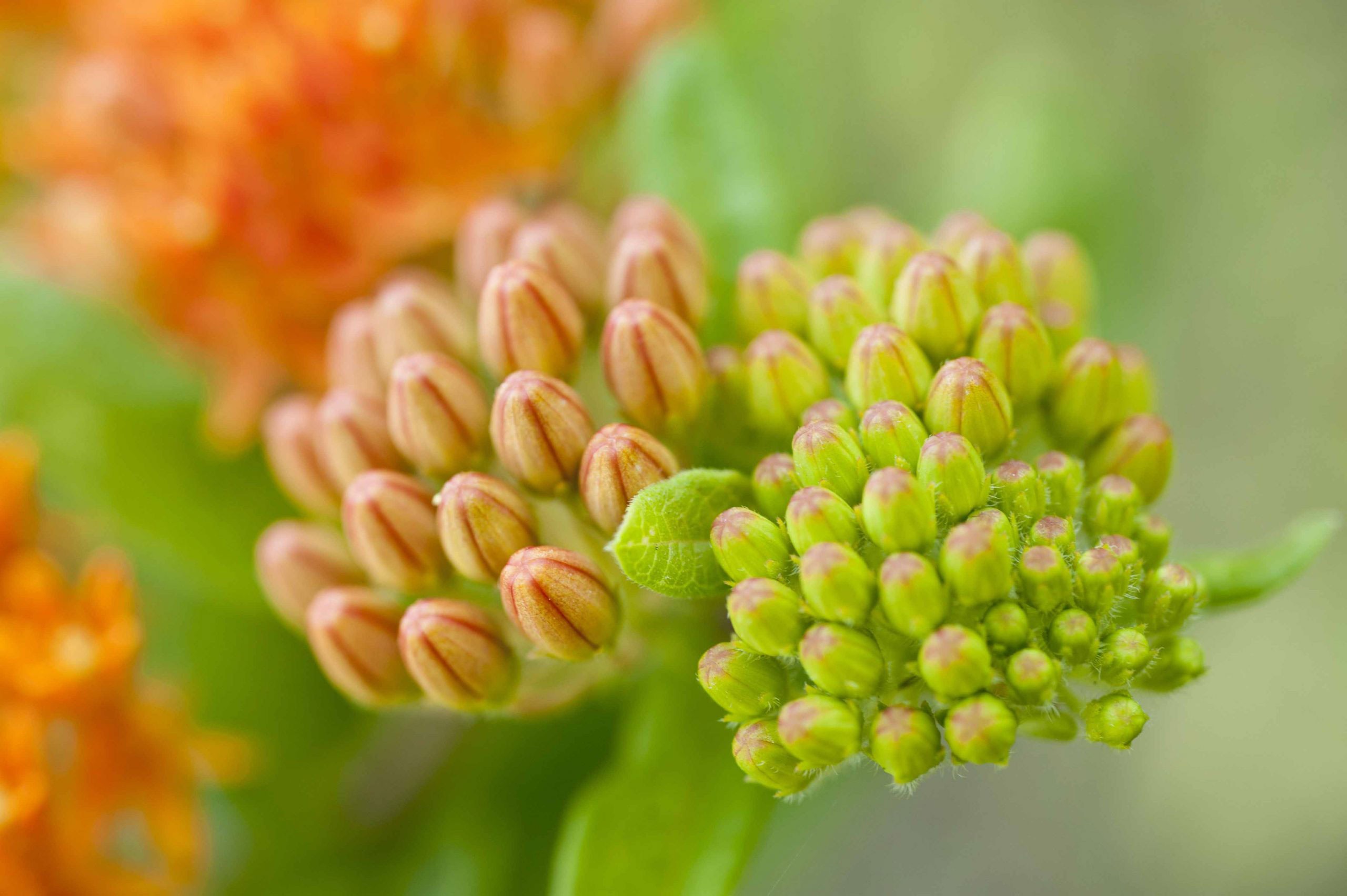
In North Florida, those grassy slopes alongside two-lane rural highways aren’t just empty space anymore. They are experimental pollinator corridors. You might see signs identifying them as wildflower areas, though the blooms often make the labels redundant. Thousands of native milkweed plants have taken root. Their vivid orange flowers and the monarch butterflies swarming them create a bright contrast against the safety vests of the crews who planted them by hand months ago.
It’s messy work. It’s also working.
Jaret Daniels, curator of Lepidoptara at the Florida Museum of Natural History, says the establishment rates are good. Monarchs are already using the plants.
“We’ve had good success with plant establishement, and we’ve seen monarchs using plants already in the field,” Daniels says.
This isn’t just a local hobby. It’s part of a University of Illinois Chicago initiative aimed at converting unused rights-of-way—beside roads, powerlines, and railways—into connected habitats for pollinators. The Florida Department of Transportation (FDOT) jumped in during 2024 under a voluntary program called the candidate conservation agreement with assurances for monarch butterfly. The deal commits FDOT to managing 10,20 acres of roadside land for conservation.
The goal? Create strategic stops where pollinators can eat and reproduce.
Why roadsides matter for native milkweed planting
Why turn highway margins into nature reserves?
Because we ran out of room. Daniels puts it bluntly: “We don’t have enough conservation lands.” If we want to keep pollinator populations alive, we have to look at environments humans manage every day.
Roadsides are managed regardless. So why not manage them for benefit?
FDOT gave Daniels’ lab a $150,00 grant in 2023 to select, grow, and install 9,000 native milkweed plants along Florida roads. The project was supposed to last three years. It just got extended through 2029. They plan to plant another 6,00 milkweeds.
The science is simple but critical. Pollinators need nectar. That includes bees, moths, butterflies, wasps, flies, and even ants. A highway bordered by wildflowers creates a long feeding route. Milkweed is the fuel.
But it’s not just about sugar. It’s about survival chemistry.
Milkweeds belong to Apocynaceae, the dogbane family. These plants produce toxic glycosides. Most animals stay away. Monarchs? They figured out how to cheat the system. Their bodies prevent the toxins from binding to cellular receptors. They keep the chemicals. It makes them poisonous to predators.
Their larvae can’t eat anything else. So wherever milkweed grows, you have potential monarch habitat.
Adult monarchs travel more than 100 miles a day. That burns energy. They need refueling stations. Home gardens and vacant lots help. But a coordinated corridor helps more.
Which milkweed species survive roadside conditions
Not every plant can handle the road.
The six-year effort covers Alachua County and five others in North Florida. It’s an experiment. Daniels started with six native candidates. He narrowed it down to two.
- Pinewoods milkweed (Asclepias humistrata )
- Butterfly weed (Asclepias tuberosa )
Both are upland species. They love sand. They thrive in pinelands and sandhils. This is crucial for exposed roadside slopes, which are dry and nutrient-poor. Most garden plants would die there. These two survive.
Butterfly weed is easy. You can buy it at Green Isle Gardens in Groveland. Pinewoods milkweed? Not so much. It has a long taproot. It needs deep containers. It hates the rich soil most nurseries use. It’s largely absent from the mainstream trade.
So the team built their own supply chain.
Researchers go into the field during flowering season. They return monthly to natural sites. They tie small bags around maturing seed pods to catch the seeds before the wind takes them.
Those seeds go to the University of Florida Native Plant Nursery in Gainesville. Volunteers and staff take those demanding seeds from dormancy to maturity. The last batch had a 98% germination rate.
“The Native Plant Nursery has been an invaluble partner in this project,” Daniels notes.
Planting happens in winter. When the plants are dormant. It spares the crews and the seedlings from the brutal Florida summer heat.
Strategic gaps and wider ecological benefits
Location matters.
This isn’t random planting. Researchers mapped native milkweed populations years ago. They partnered with FDOT to fill gaps.
“We’re trying to fill in gaps where we kno appropriate habitat occurs, but there are limited o no milkweeds that grow there,” Daniels explains.
They target spots next to protected lands to boost existing biodiversity. They pick sites near farms growing blueberries and watermelons. Crops need pollinators. Wild insects provide them.
The patchwork of flowering habitat looks better too. Birds find more prey. Farmers get better pollination. Drivers see color.
But will it last?
The data isn’t in yet. The researchers track the plants. They analyze survival rates. The final judgment on whether this strategy can scale to other counties—or states—is still several years away.
For now, the flowers are open. The butterflies are there.
The roads aren’t empty.