


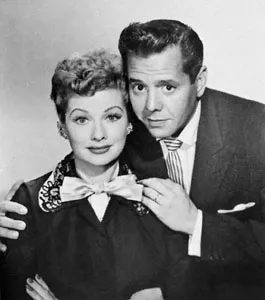
The legacy of #Lucille Ball: How she defined early TV comedy
Lucille Ball doesn’t just act. He came up with the blueprint for the modern sitcom. Born on August 6, 1911 in Cerro Long, a small town near Jamestown, New York, he became one of the most recognizable faces in early television history. His career was a masterclass in diversity, from early Hollywood films from 1933 to acting in a comedy radio drama in 1947.
But his collaboration with Desi Arnaz changed the broadcasting landscape forever. The actress and bandleader wrote “I Love Lucy,” a phenomenon that lasted from 1951 to 1957. This is revolutionary. This was followed by The Lucy Desi Comedy Hour, which aired from 1957 to 1960.
Even after their breakup in 1960, Ball’s star power continued. She starred in The Lucy Show (1962-1968) and This Is Lucy (1968-1974), proving she could run a show on her own. His red hair and distinctive rasp are as much his trademark as his physical comedy.
Why Lucille Ball is still a female star
So what makes him so resilient? It is a combination of regal confidence and unexpected femininity. She wasn’t just a funny woman. She is a businesswoman fighting for creative control in a male-dominated industry. This combination of talent and tenacity cemented her status as one of television’s early significant female stars.
He died on 26 Apr 1989 in Los Angeles, California. But his influence never faded from the screen.
Ball’s comedic persona, which oscillates between edgy and feminine, allows her to appeal to a wide audience while maintaining her own unique identity.
For fans of pop culture history, it is important to understand Lucille Ball’s influence on early television. He just didn’t respond to the media. He shaped it. His comedic approach, character development and production techniques set a standard that is still referenced today.
The question is not whether he is important or not. There is modern comedy in the space he created.


